Basil: Consorzio Casalasco is a key player in the fight against downy mildew
At the Casalasco Innovation Center in Fontanellato, a roundtable discussion will guide manufacturers toward effective solutions through expertise, research, and technical assistance.

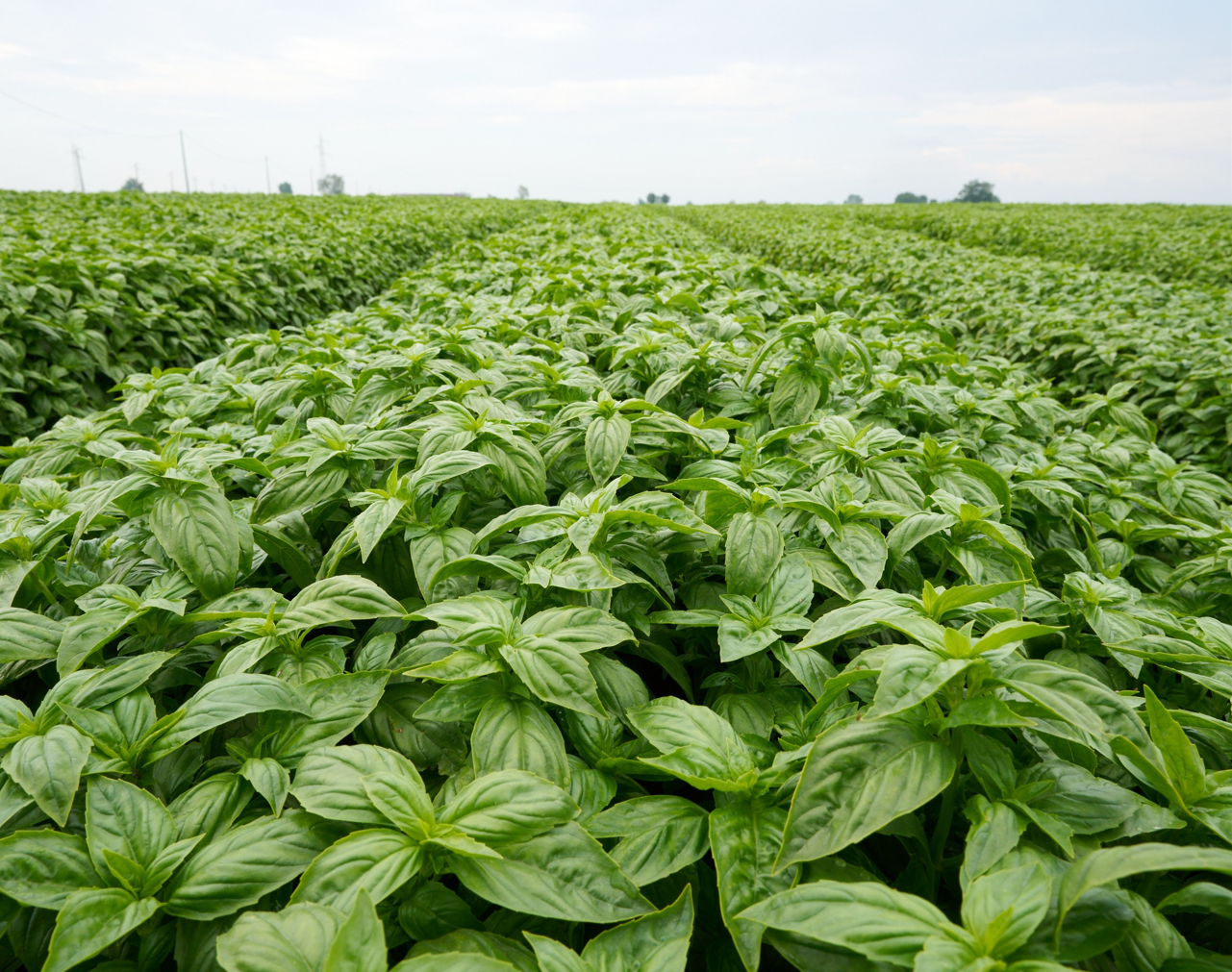
Networking between the research world, technical assistance, and agricultural businesses to jointly address the challenges of a rapidly growing crop. This is the message that emerged from the roundtable discussion dedicated to the basil supply chain, organized by the Casalasco del Pomodoro Consortium on Friday, July 24, at the Auditorium of the Casalasco Innovation Center in Fontanellato. The meeting represented a moment of discussion between technicians, researchers, and farmers on the fight against downy mildew, on supply chain perspectives, and on the agronomic innovations needed to ensure quality production in an increasingly complex climate. Downy mildew is one of the main critical issues for cultivation: for this reason, the technical solutions available today to contain its effects have been illustrated, thanks also to the contribution of research and the continuous transfer of expertise to producers. Qualified representatives from the research world, plant health services and the food industry took part in the event. The technical interventions were entrusted to: Giovanni Minuto - General Director of CERSAA in Albenga, Andrea Minuto - Director of the CERSAA Phytopathological Laboratory in Albenga, Ruggero Colla – Director of the Emilia-Romagna Region Phytosanitary Service, Piacenza branch, Gianni Bottino - President of the Consortium of the Genoese Basil PDO and Antonio Rossetto – Open Fields Researcher. The round table confirmed the value of an integrated supply chain model, in which agricultural programming, technical assistance and industrial transformation proceed in a coordinated manner, putting farmers in a position to face the production challenges contemplativity, greater awareness and appropriate tools. Just over a year after the basil supply chain began,the Casalasco Tomato Consortium's journey is already yielding significant results. From the very beginning, the cooperative has positioned itself as a point of reference for its members and the farmers involved, leveraging the experience gained over decades of managing the tomato supply chain, along with an increasingly structured organization integrated with the industrial component. In particular,in the face of the spread of downy mildew, the Consortium acted quickly, supporting farmers through technical knowledge, crop monitoring, and effective solutions to address the problem and protect the production potential of the supply chain. Despite the unfavorable weather events of recent weeks, the basil campaign is continuing with positive results. The Consortium's goal is to process approximately 5,000 tons of the product this season, confirming the growth of a supply chain that represents a new opportunity for the Casalasco Group and the entire region. “Ours is a complete supply chain, including basil –explains Davide Rocca, Director of the Casalasco Consortium – a supply chain where the agricultural component is essential. Downy mildew management is particularly important to achieve good yields in the field and above all a quality product with a good aromatic profile and color. For this reason, constant monitoring of the fields, timely interventions, and very timely, equalized technical assistance to farmers are essential. Today we have made a further step: we will soon establish a permanent discussion table between the various stakeholders not only on a very current issue like downy mildew but also on more general preventive strategies on varietal selection and on the best agronomic practices to obtain an increasingly sustainable and increasingly high-quality basil”. “A cooperative must help its farmers in times of difficulty and Casalasco does so. In the case of downy mildew, the strength of the Consortium – explains Marco Sartori, President of the Consorzio Casalasco del Pomodoro - it is that a structured and integrated supply chain like ours allows us to quickly identify the problem and immediately make the most effective solutions available to farmers to protect their harvest”.